
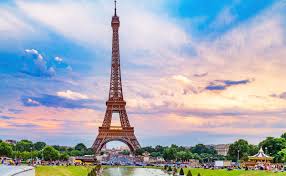
The Eiffel Tower, one of the most recognized landmarks in the world, is full of hidden and lesser-known facts that intrigue visitors and history enthusiasts alike. Located in Paris, this iron masterpiece was built in 1889 by the engineering genius Gustave Eiffel for the 1889 Exposition Universelle. While millions of people see it as a symbol of romance and Parisian charm, there are many hidden stories, secrets, and unusual facts that make the Eiffel Tower truly fascinating.
1. Gustave Eiffel’s Private Apartment
At the top of the tower, Gustave Eiffel constructed a small private apartment for himself. Unlike the cold industrial iron outside, the apartment was cozy and elegantly decorated. Eiffel hosted famous guests there, including Thomas Edison, and used the space for scientific experiments.
2. A Tower That Was Almost Dismantled
The Eiffel Tower was originally intended to be a temporary structure with a 20-year permit. Many Parisians disliked its design, calling it an eyesore. It survived only because of its value for radio communication experiments and scientific research.
3. The Tower’s Changing Height
Due to thermal expansion, the Eiffel Tower can grow by up to 15 centimeters (6 inches) during hot weather. Conversely, it contracts slightly during cold temperatures, making it a flexible structure that adapts to climate changes.
4. Secret Apartment Visitors
Eiffel’s top-floor apartment was not open to the public, but today, visitors can view a replica of the apartment and learn about the experiments and private meetings that took place there.
5. Used for Scientific Experiments
Beyond being a monument, the Eiffel Tower served as a scientific laboratory. It was used for meteorological studies, aerodynamic tests, and early radio transmission experiments. The tower’s height and stability made it perfect for research that changed the course of communication technology.
6. The Tower’s Color Has Changed
Over the years, the Eiffel Tower has been painted multiple times. Its original color was reddish-brown, followed by yellow-ochre and bronze shades. Today, it is painted in a unique “Eiffel Tower Brown” to enhance its aesthetic appeal.
7. Thousands of Steps
The tower has 1,665 steps from the ground to the top. Visitors can climb the stairs to the second floor, but reaching the summit requires an elevator. Walking the steps is a hidden adventure many tourists miss.
8. Sparkling Lights
Since the year 2000, the Eiffel Tower has featured sparkling lights that glitter for five minutes every hour after sunset. These lights, powered by thousands of bulbs, create a magical effect that attracts night-time visitors.
9. Survived Wars
During World War I and World War II, the Eiffel Tower played unique roles. In WWI, radio transmissions from the tower helped intercept enemy communications. In WWII, the French cut elevator cables to prevent German soldiers from easily accessing the top.
10. Iron Structure and Rivets
The tower is made from more than 18,000 iron parts and held together by 2.5 million rivets. Its open lattice design reduces wind pressure, making it strong yet surprisingly lightweight for its height.
11. Almost Sold as Scrap
In 1925, a con artist attempted to sell the Eiffel Tower as scrap metal. Although the scam was uncovered, it remains a fascinating anecdote about the tower’s history.
12. Inspiration for Modern Engineering
The Eiffel Tower influenced the construction of skyscrapers worldwide. Its innovative iron framework proved that tall, stable, and lightweight structures were possible, inspiring generations of architects and engineers.
13. Wind Resistance Design
The tower was specifically engineered to sway slightly during high winds, ensuring it remained stable. This clever design allows the structure to withstand strong gusts without damage.
14. Popular with Artists
Over time, the Eiffel Tower became a symbol of art and culture. It has appeared in countless paintings, films, photographs, and advertisements, making it a global icon beyond its architectural significance.
15. Hidden Safety Features
Despite its height and open structure, the Eiffel Tower has numerous safety features, including lightning rods, secure railings, and specially designed elevators. These features ensure the safety of millions of visitors annually.
16. Strategic Location
The Eiffel Tower’s placement on the Champ de Mars provides panoramic views of Paris and serves as a central point for both historical and modern city planning. Its location was chosen to maximize visibility during the 1889 World’s Fair.
17. Scientific Broadcasts
The tower has played a role in scientific advancements, including early television transmissions and long-distance radio broadcasts, making it more than just a tourist attraction.
18. It Grows with Age
The iron expands and contracts naturally, and small adjustments are made during maintenance. This hidden fact shows how the structure adapts and maintains stability over time.
19. Climbing Challenges
While elevators are available, climbing the tower’s stairs is considered a unique experience and a hidden adventure for tourists who want to feel the tower’s engineering up close.
20. A Symbol of Innovation
Above all, the Eiffel Tower remains a symbol of human innovation. From being nearly dismantled to becoming a scientific, cultural, and tourist landmark, it embodies creativity, engineering, and vision.