Eiffel Tower design and architecture
The Iron Masterpiece of Paris
The Eiffel Tower is not only Paris’s most recognizable landmark but also one of the greatest feats of 19th-century engineering and architecture. Its design and construction represented a revolutionary blend of science, aesthetics, and industrial innovation, making it a global icon admired by millions each year. Built for the 1889 Exposition Universelle (World’s Fair) to celebrate the 100th anniversary of the French Revolution, the Eiffel Tower was intended as a temporary installation, yet it has become a permanent symbol of France’s creativity and vision.
The Vision Behind the Design
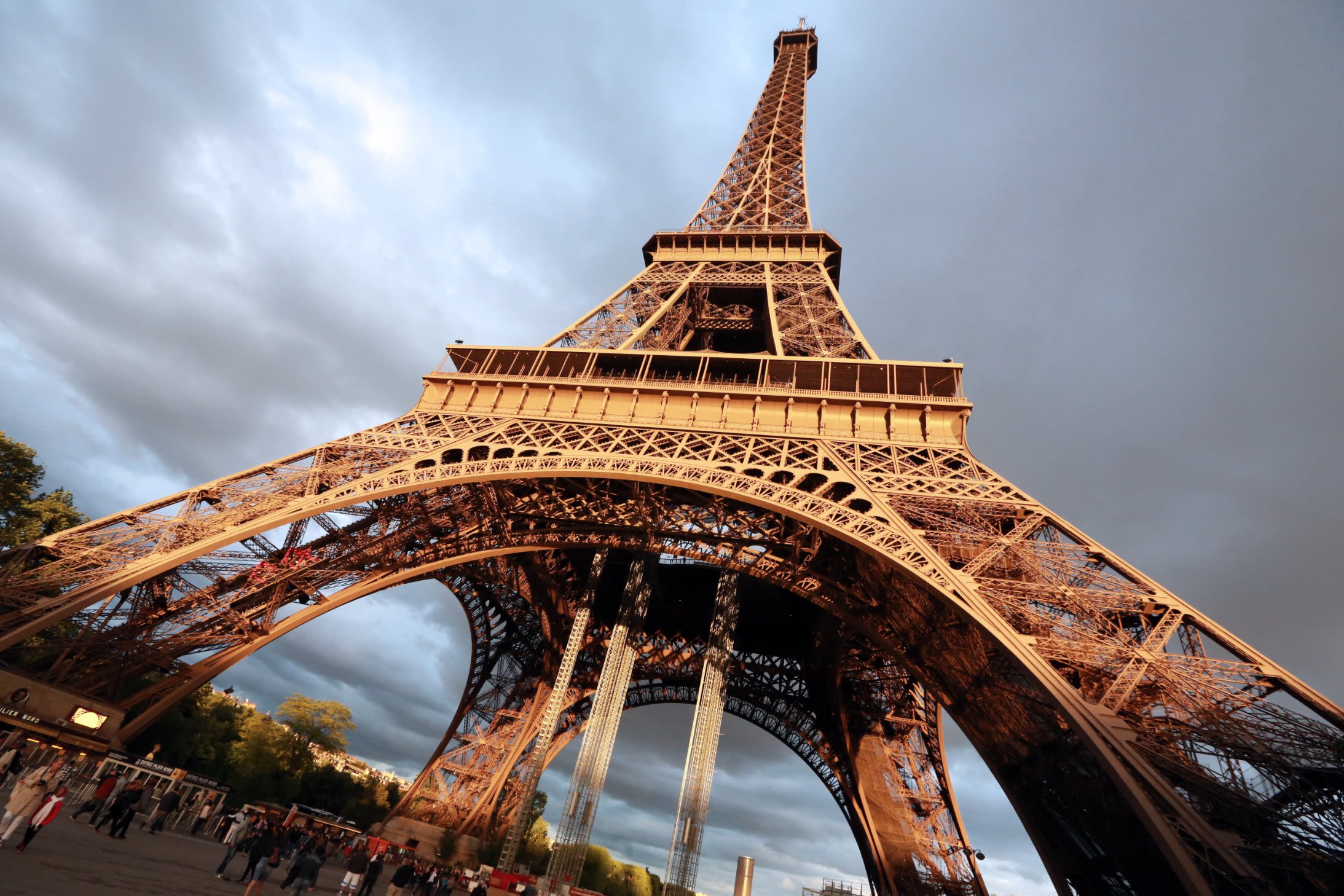
The idea for the tower came from engineers Maurice Koechlin and Émile Nouguier of Gustave Eiffel’s company. In 1884, they sketched the concept of a 300-meter iron structure supported by four curved piers that joined at the top. This was a daring departure from traditional masonry buildings, using exposed wrought iron in a way that was both functional and elegant.
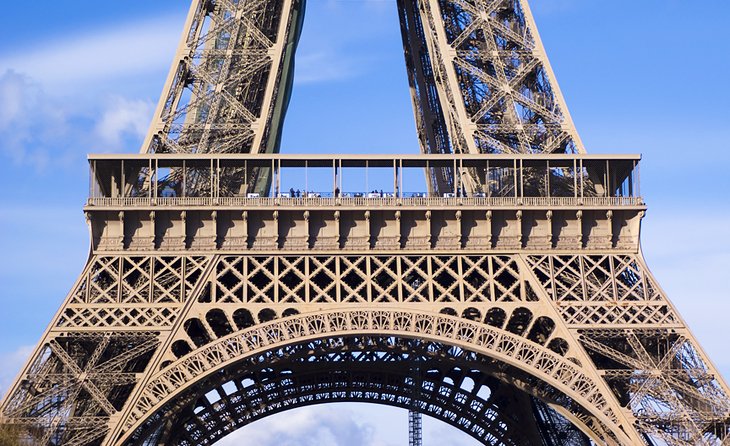
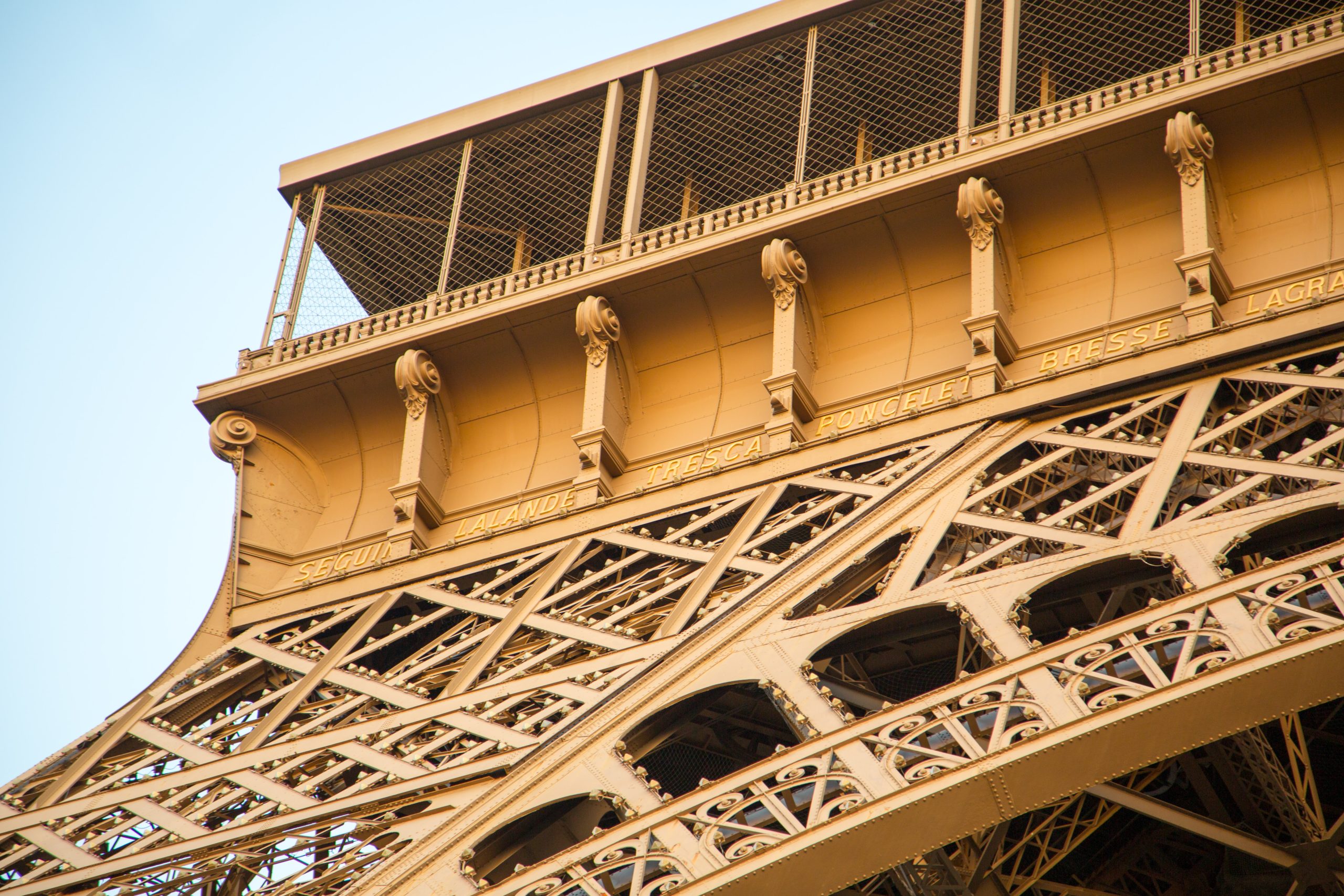
To refine the look and make it more visually appealing, architect Stephen Sauvestre was brought on board. Sauvestre added decorative arches at the base, glass pavilions on the first level, and an ornate spire at the summit. These artistic touches helped soften the tower’s industrial appearance, winning over critics and making it more suitable for the Paris skyline.
Architectural Structure and Dimensions
The Eiffel Tower stands today at 330 meters (1,083 feet), including its antennas, making it the tallest structure in Paris. It weighs approximately 10,100 tons and is constructed from 18,038 individual wrought-iron parts, held together by 2.5 million rivets.
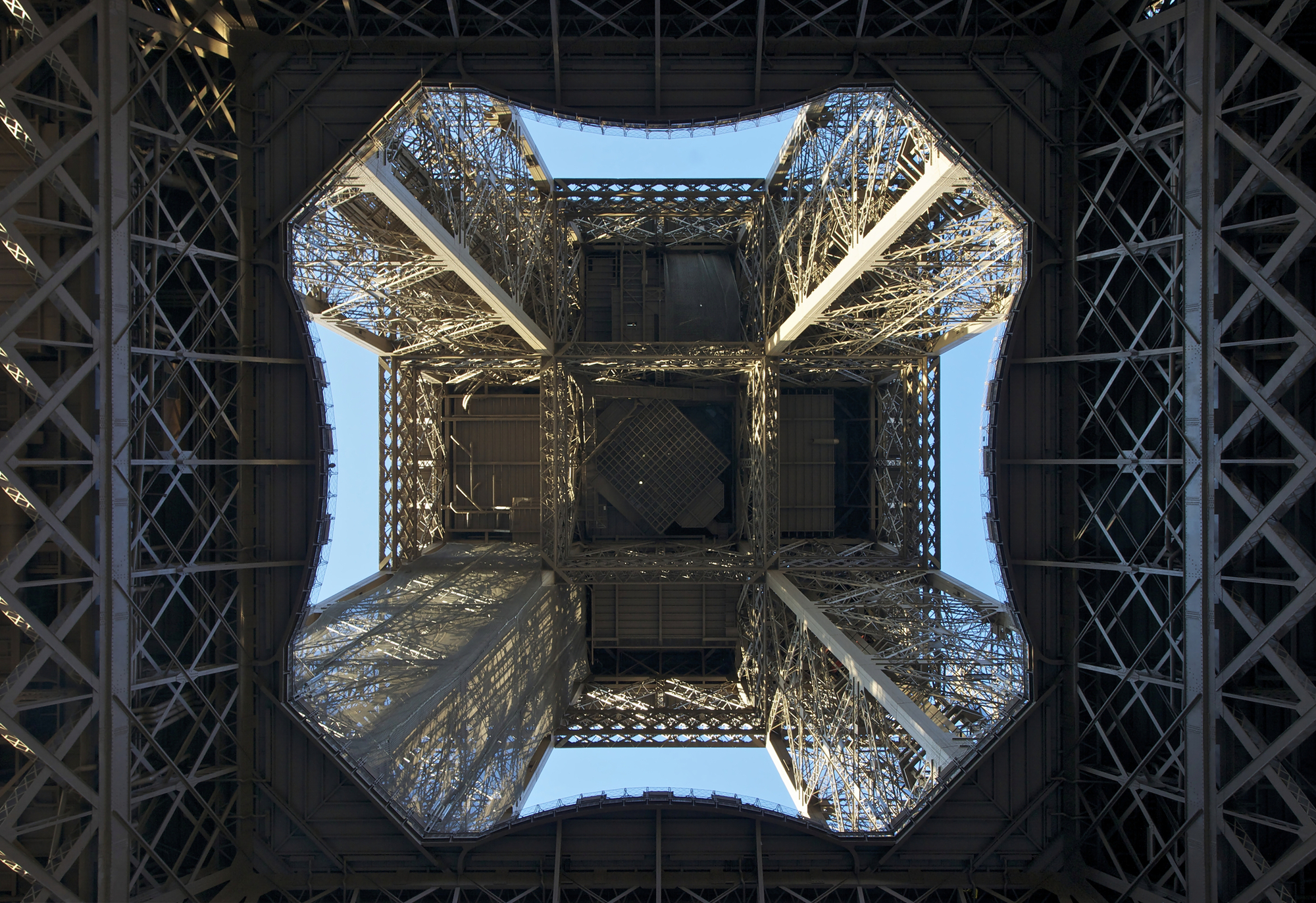
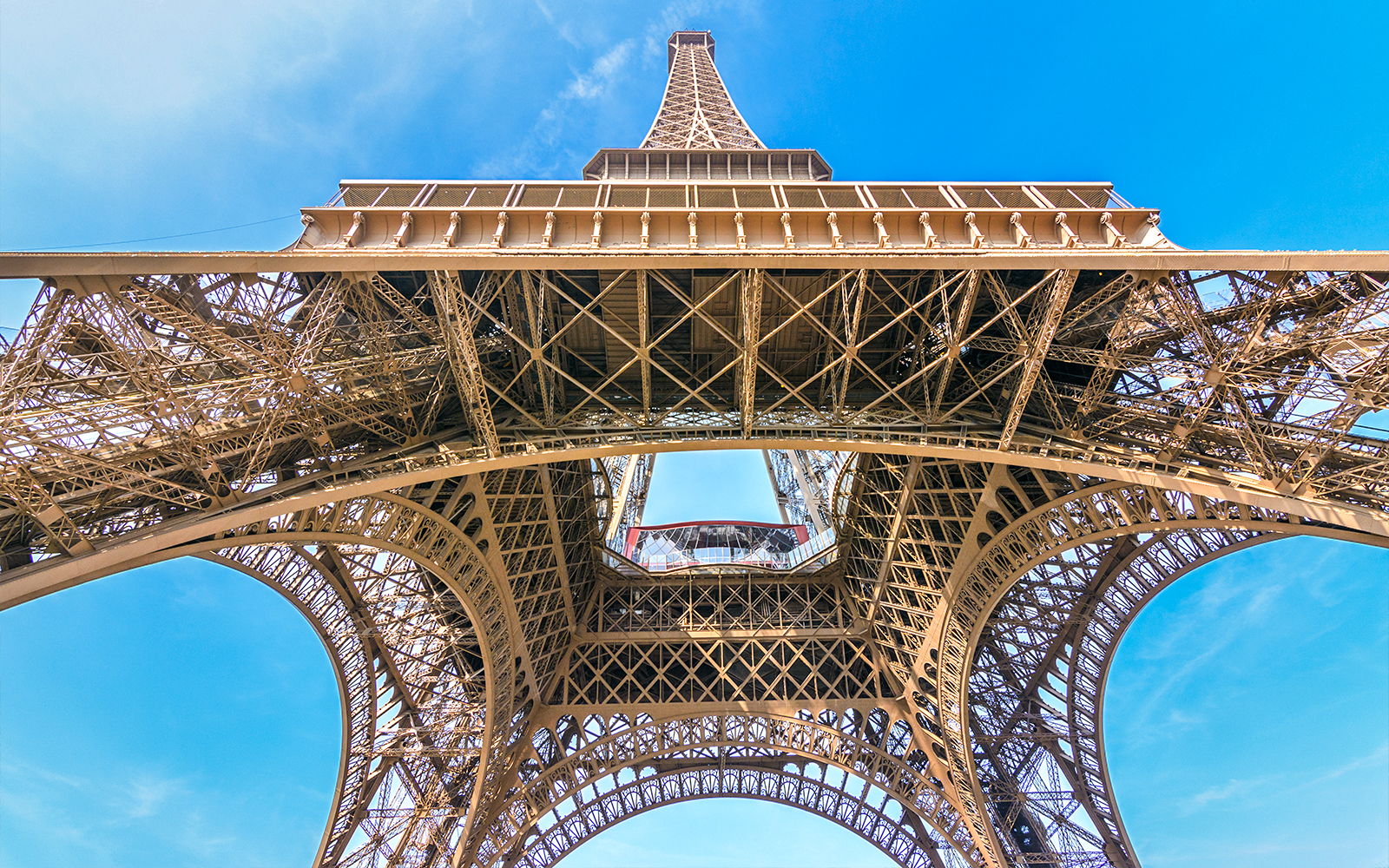
The base of the tower forms a massive square, with each side measuring 125 meters (410 feet). From these four legs, the structure rises in a graceful curve, meeting at various platforms before tapering into a narrow spire. The design ensures exceptional stability, even in high winds, and allows for a sway of up to 7 cm without structural risk.
The tower has three public levels:
First Level – Located at 57 meters (187 feet), it includes exhibits, restaurants, and spacious observation decks.
Second Level – At 115 meters (377 feet), this level offers some of the best panoramic views of Paris.
Third Level – At 276 meters (906 feet), the summit provides unmatched city views and features a champagne bar.
Engineering Innovations
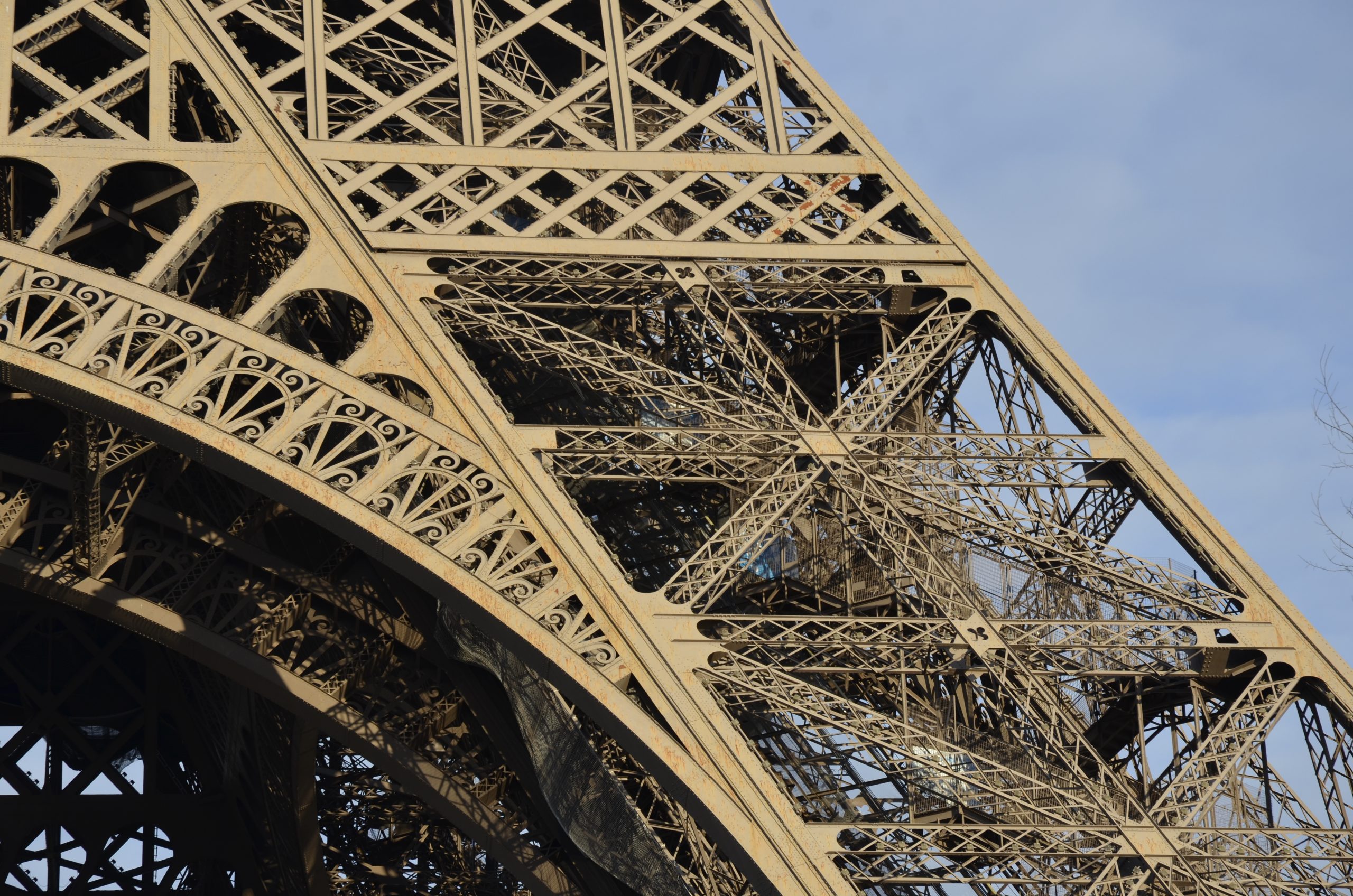
The Eiffel Tower’s design was groundbreaking for its time. Wrought iron was chosen for its strength, flexibility, and relatively light weight compared to stone. Each iron component was prefabricated in Eiffel’s factory in Levallois-Perret, just outside Paris, then transported to the site and assembled with remarkable precision.
The tower’s open-lattice structure reduces wind resistance, allowing air to pass through rather than push against it. This principle, combined with the tower’s tapered shape, has made it incredibly stable. Its foundations were also a marvel of engineering—deep concrete supports anchor the structure into the ground, with special care taken on the Seine River side to manage water pressure.
Aesthetic Considerations
While the Eiffel Tower’s primary purpose was to showcase industrial engineering, its design also paid attention to beauty. The sweeping curves of the four legs, the symmetry of its platforms, and the intricate latticework create a sense of lightness despite the tower’s immense size. The addition of arches at the base adds elegance and frames the view for visitors approaching the monument.
The color of the tower is also an important part of its design. It is repainted every seven years to protect it from rust, requiring about 60 tons of paint. The current shade, known as Eiffel Tower Brown, was chosen to harmonize with the Parisian landscape.
Lighting and Nighttime Appeal
One of the most striking aspects of the Eiffel Tower’s architecture is its lighting. Since 2000, the tower has sparkled with 20,000 twinkling light bulbs for five minutes every hour after sunset, creating an unforgettable spectacle. The illumination highlights the intricate ironwork and transforms the tower into a shimmering beacon visible across the city.
Public Reception and Legacy
When the design was first revealed, it faced strong opposition. Many Parisians and artists criticized it as an eyesore, calling it a “monstrous” addition to the city. Gustave Eiffel defended the project passionately, and after its completion in 1889, the public’s perception began to change. Over time, the Eiffel Tower became one of the most beloved structures in the world.
Architecturally, the Eiffel Tower paved the way for the use of exposed iron and steel in large-scale structures. Its influence can be seen in bridges, towers, and skyscrapers built in the decades that followed.
Cultural and Practical Importance
Beyond its architectural beauty, the Eiffel Tower has played important practical roles. In the early 20th century, it was used as a radio transmission tower, which saved it from demolition when its initial 20-year permit expired. Today, it continues to support communication antennas, demonstrating the enduring utility of its design.
The Eiffel Tower’s design and architecture embody a perfect blend of engineering precision and artistic vision. It stands as a testament to the creativity of Gustave Eiffel’s team, combining strength, elegance, and innovation in a way that was ahead of its time.
Conclusion
The Eiffel Tower design and architecture remain as captivating today as they were over a century ago. From its bold iron framework to its graceful proportions, it is both a technological marvel and a work of art. Millions of visitors each year climb its levels, photograph its details, and admire its towering presence. Whether viewed by day against a blue Parisian sky or sparkling at night, the Eiffel Tower continues to inspire awe — a timeless monument to human ingenuity and the enduring beauty of architectural excellence.