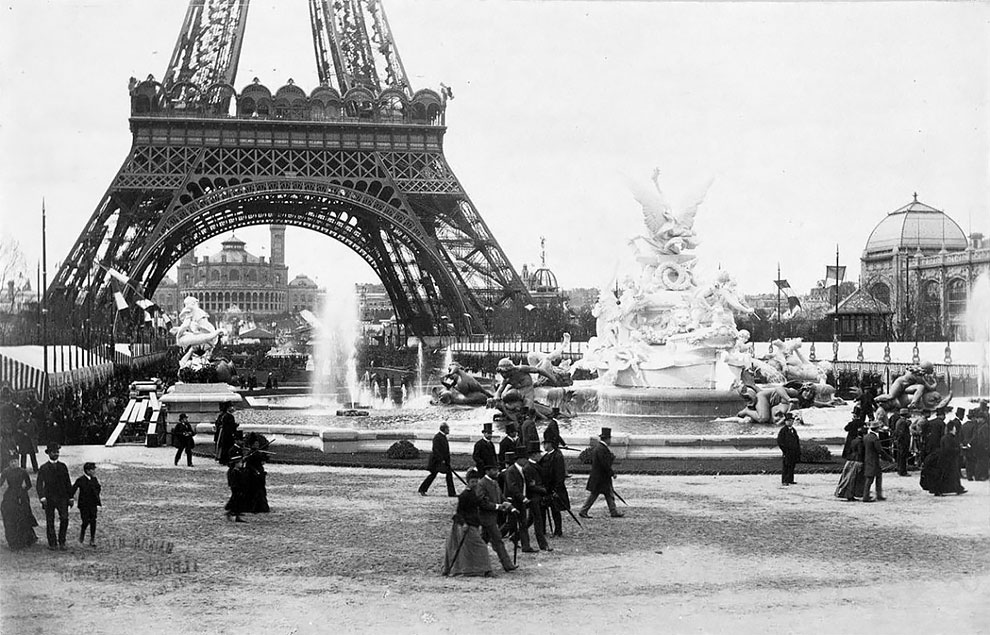
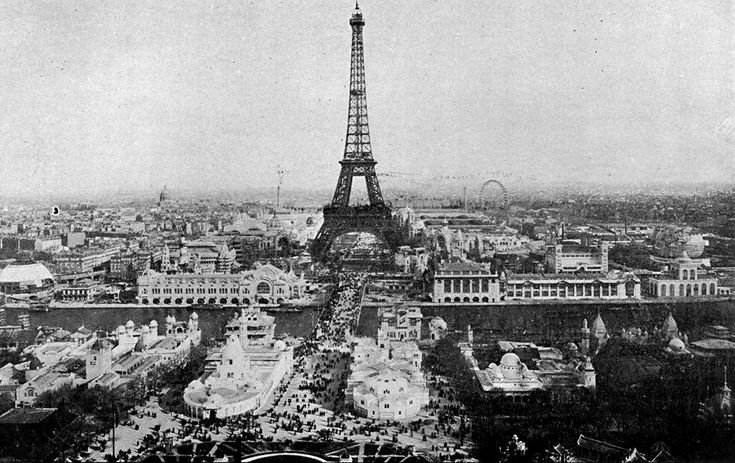
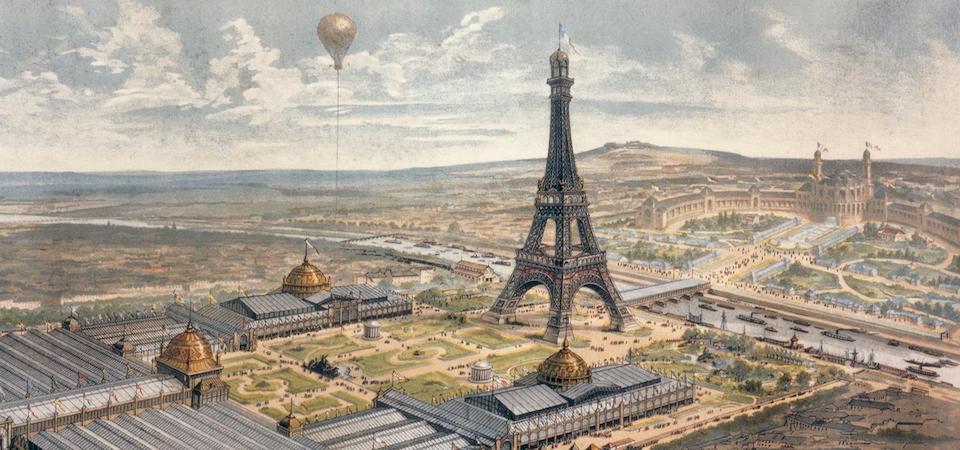
The Eiffel Tower is one of the most recognized landmarks in the world and a timeless symbol of Paris, France. Its fascinating history begins in the late 19th century, when France prepared to host the 1889 Exposition Universelle (World’s Fair) to mark the 100th anniversary of the French Revolution. The French government wanted a structure that would showcase the nation’s industrial prowess and artistic talent. The winning design came from the engineering firm of Gustave Eiffel, although much of the concept was developed by senior engineers Maurice Koechlin and Émile Nouguier, and architect Stephen Sauvestre.
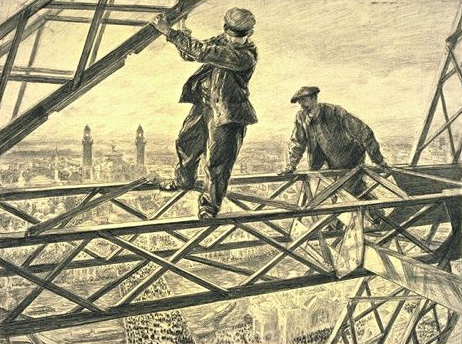
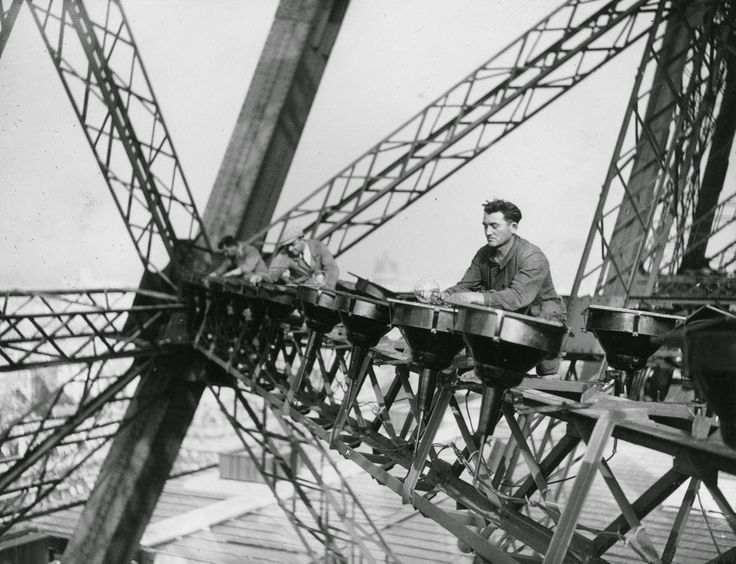
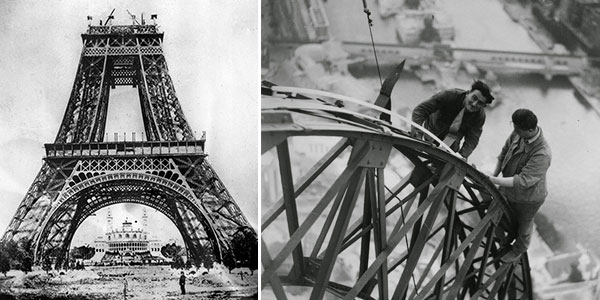
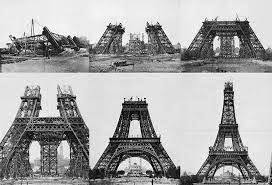
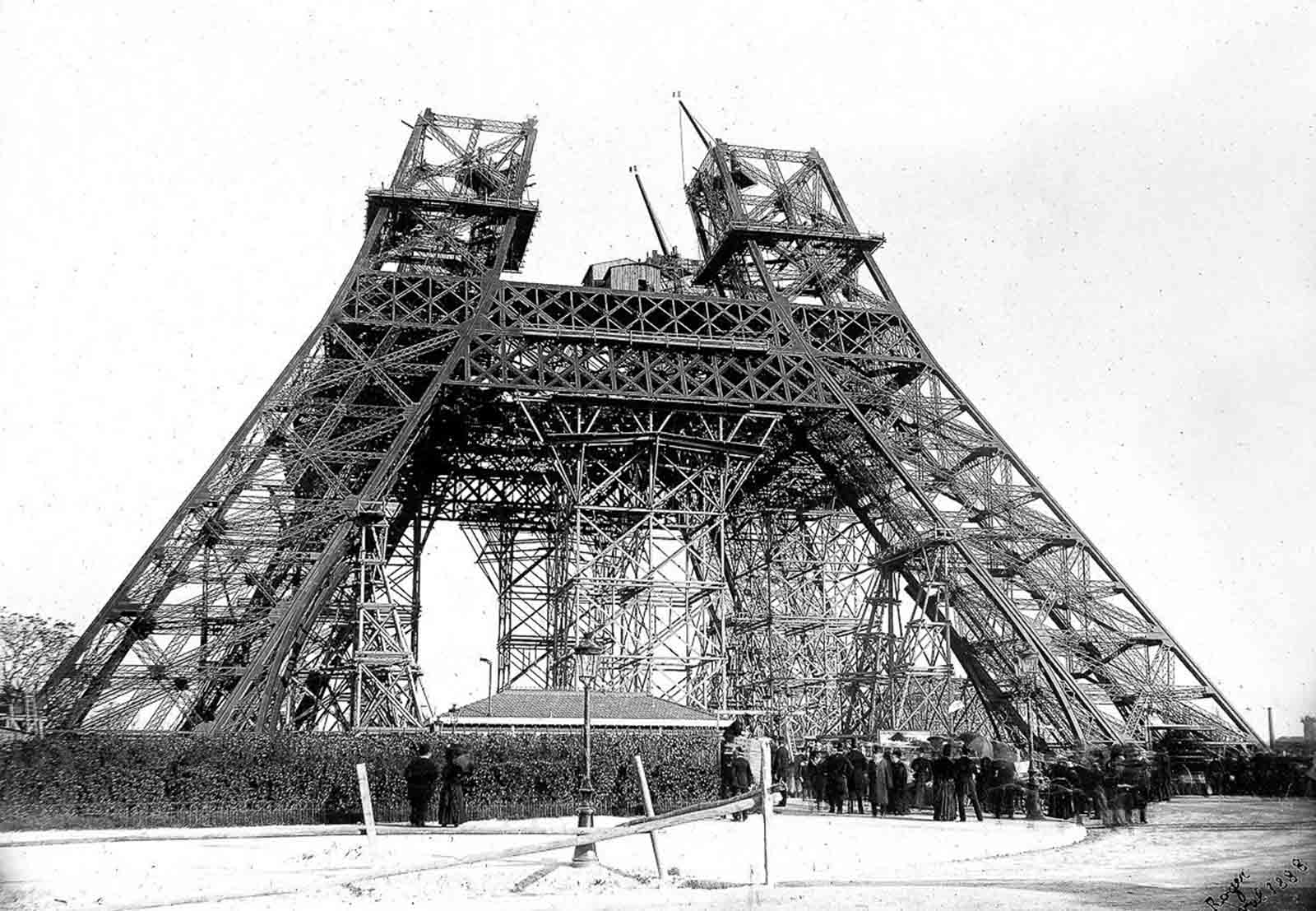
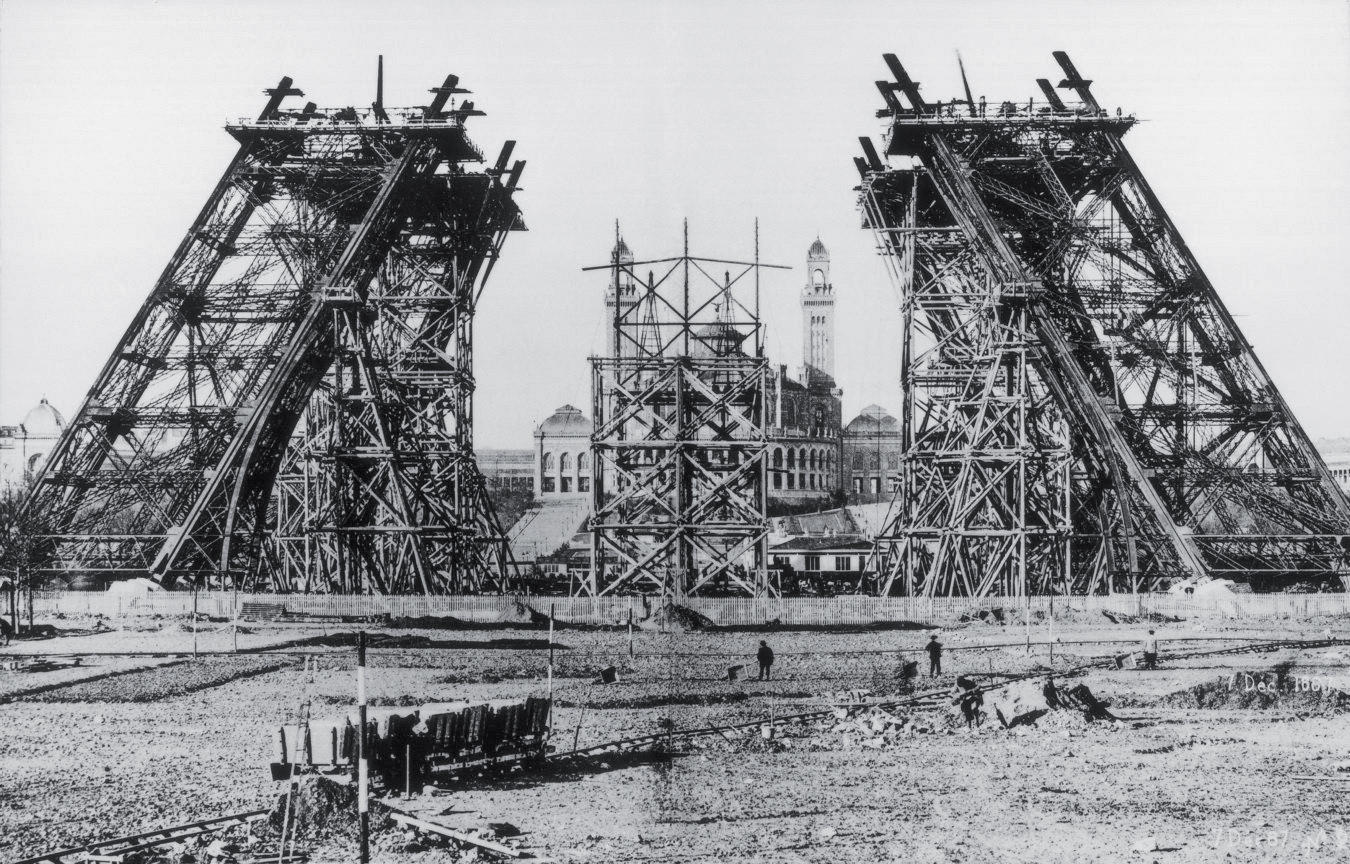
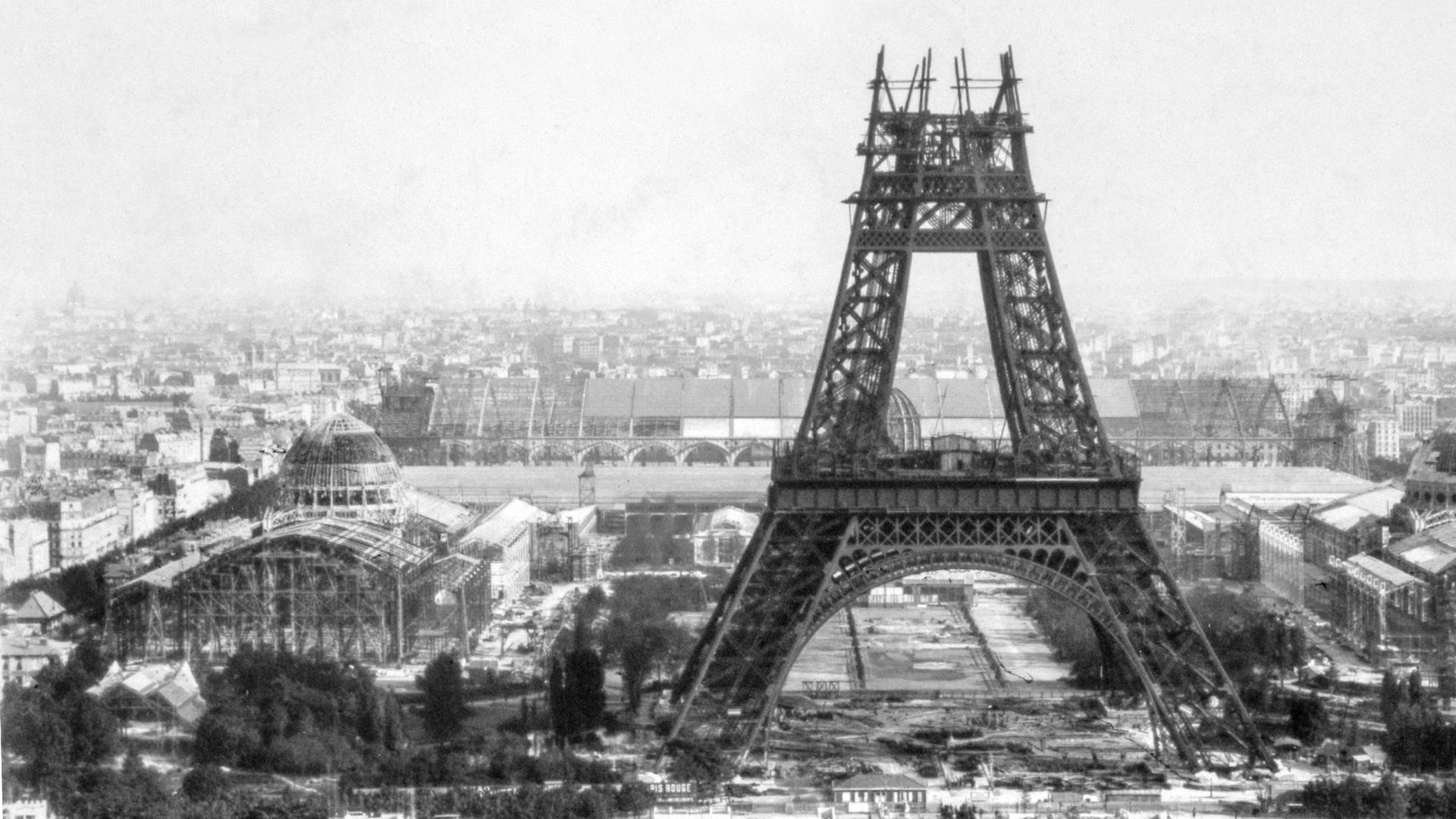
Construction began on January 28, 1887, on the Champ de Mars, a large public greenspace along the Seine River. Built entirely from wrought iron, the tower was a groundbreaking achievement in engineering. It consisted of 18,038 individual iron components, connected by more than 2.5 million rivets. The project took two years, two months, and five days to complete, officially opening to the public on March 31, 1889. At 300 meters (984 feet) tall at the time, it was the tallest man-made structure in the world until the completion of the Chrysler Building in New York in 1930.
Initially, the Eiffel Tower was not universally loved. Many Parisians, including prominent artists and writers, criticized its unusual industrial appearance, calling it an eyesore. However, public opinion began to change during the exposition, as visitors from all over the world marveled at its scale and beauty. Originally intended to be dismantled after 20 years, it was saved because it proved invaluable as a radio transmission tower, especially for military communications in the early 20th century.
Over the decades, the Eiffel Tower became an enduring cultural icon. It has witnessed numerous historical events, including the German occupation of Paris during World War II, when the French cut the lift cables to prevent Nazi leader Adolf Hitler from easily reaching the summit. The tower has also been the site of daring stunts, artistic performances, and countless romantic proposals.
The structure has undergone several modifications and restorations over the years. In 1957, a television antenna was added, increasing its height, and in 2000, a stunning sparkling light display was introduced to mark the millennium celebrations. Today, the Eiffel Tower stands at 330 meters (1,083 feet), painted in its signature Eiffel Tower Brown, a color carefully chosen to blend with the Paris skyline.
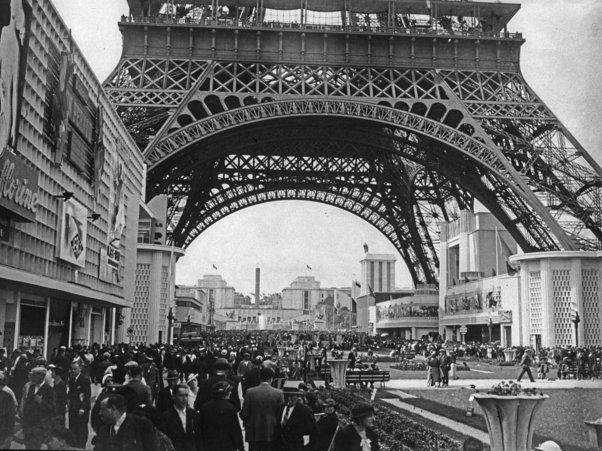
The Eiffel Tower is divided into three public levels. The first and second levels feature restaurants, exhibits, and observation decks, while the third level offers panoramic views across Paris, including famous landmarks such as the Arc de Triomphe, Notre-Dame Cathedral, and the Louvre Museum. It welcomes more than 7 million visitors annually, making it the most-visited paid monument in the world.
The history of the Eiffel Tower is more than just the story of an iron structure; it is the story of France’s ingenuity, resilience, and ability to transform innovation into art. From a controversial fairground attraction to one of the most beloved monuments in the world, the Eiffel Tower continues to inspire travelers, artists, and dreamers. Whether admired from the banks of the Seine, lit up against the night sky, or experienced from its summit, the Eiffel Tower remains an unforgettable part of Paris’s cultural heritage and a must-see destination for visitors from every corner of the globe.